
SPOILER ALERT!
The Perks And Dangers Of LASIK Eye Surgical Treatment
Authored by-Ejlersen Jochumsen
When light enters your eye, it requires to take the proper path via your cornea to reach your retina. Problems with the form of your cornea can prevent this from taking place, creating problems like nearsightedness.
LASIK can help repair these issues, and 90% of individuals that get the procedure wind up with 20/20 vision or better without glasses or calls. Nevertheless, the surgical procedure does not fix presbyopia, an age-related problem that makes it tough to see close up.
LASIK is a quick outpatient treatment throughout which cosmetic surgeons make use of extremely precise lasers to improve your cornea, enhancing exactly how light hits your retina and also enables you to see. click the up coming website can fix nearsightedness (nearsightedness), hyperopia (farsightedness) and astigmatism, a condition where your eye has an unevenly bent cornea or lens.
Prior to the treatment, your ophthalmologist will do a thorough medical exam to guarantee you're healthy enough for LASIK. He or she will measure your eye's thickness and carry out examinations such as corneal topography, epithelial thickness mapping and corneal biomechanical metrics to assess the form and stamina of your eyes.
These examinations additionally assist establish whether you have various other health conditions such as high blood pressure or dry eye that might impact your vision or make LASIK extra risky for you. Individuals with certain immune conditions, diabetes mellitus and also specific eye conditions like glaucoma might not be excellent candidates for the surgery, claims Daniel Laroche, MD, an assistant professor of ophthalmology at Mount Sinai Institution of Medicine in New York City City.
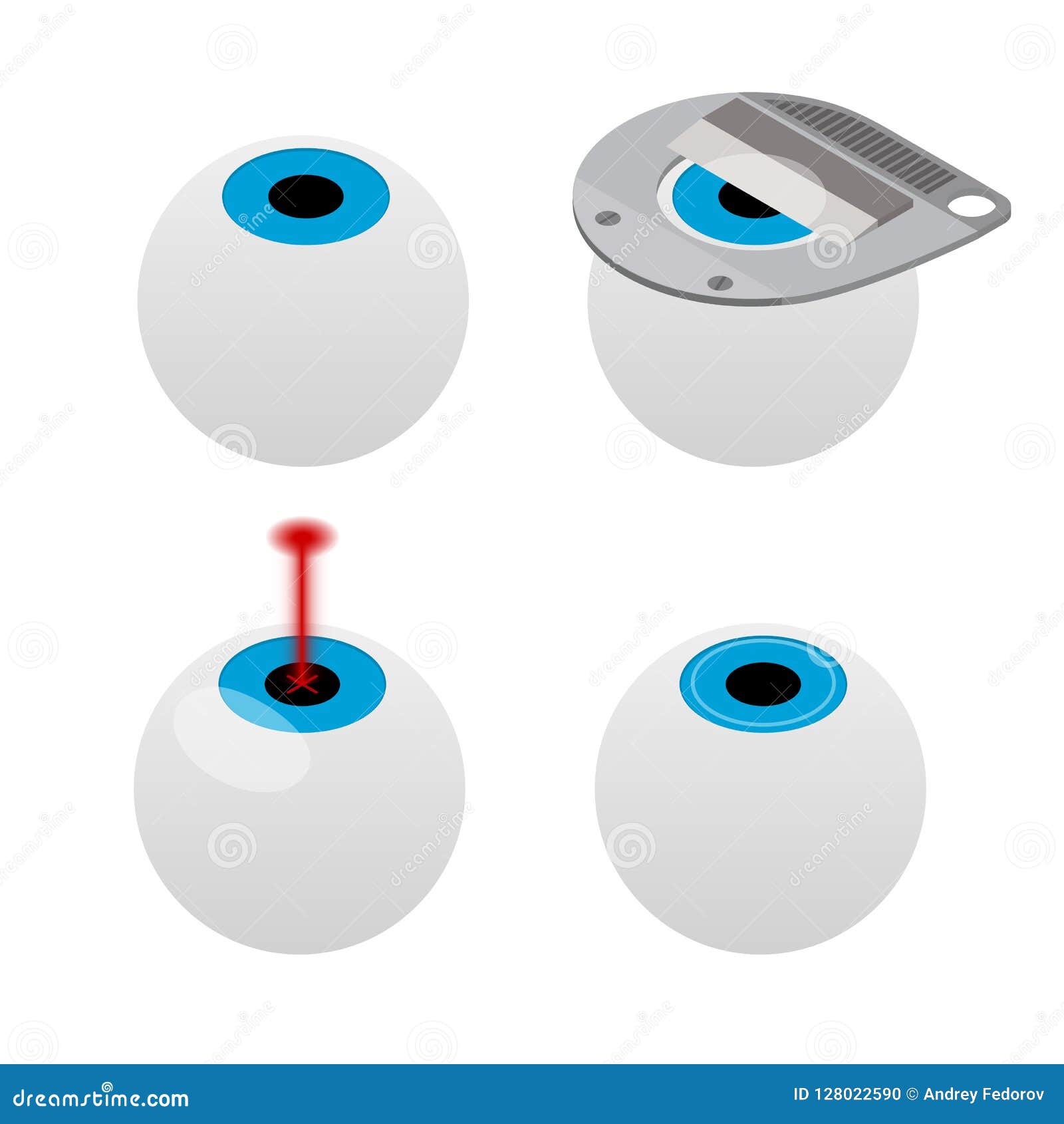
After numbing your eyes with drops, your surgeon develops a thin flap in the cornea. This flap is after that raised as well as folded up back, like transforming a web page in a book. Then, your doctor uses a laser to alter the form of your cornea, transforming your vision.
The procedure normally takes thirty minutes or less. Your physician will offer you a light sedative to maintain you comfy. You will certainly be awake, however your vision will be dim.
After LASIK, most people have 20/20 or far better vision-- without glasses or calls. Nevertheless, LASIK can not fix presbyopia, which is the natural age-related loss of close-up vision. It is necessary to select a skilled ophthalmologist and also thoroughly assess your vision prior to getting this surgical procedure. It's also vital to take care of your eyes after surgical treatment, making use of suggested eyedrops to stop infection and also reduce dryness.
LASIK surgery can dramatically lower the need for glasses and also calls. It typically is a quick, reasonably painless procedure with no plasters.
Prior to the surgical procedure, your eye doctor will certainly examine the health of your eyes and determine if you're a good prospect for the procedure. He or she will check your corneal density, pupil size and also refractive error.
On the day of LASIK surgical treatment, you'll be provided a sedative and then sit in a reclining chair while a laser is related to the surface of your eye. The flap is after that lifted, as well as the corneal cells is improved with an additional laser.
After your LASIK procedure, your eye doctor will provide you guidelines to comply with to make sure appropriate healing. She or he may suggest a particular quantity of lubricating eye drops, as well as you'll need to wear clear plastic shields during the night. You should additionally prevent activities that place pressure on your eyes, such as racquet sporting activities.
There is a risk of difficulties after LASIK surgical procedure, but the number of people experiencing severe negative effects is much less than in the very early years of the procedure. This is mainly because of improved laser technology, doctor skill as well as optimal individual selection. https://www.healio.com/news/ophthalmology/20210217/blog-the-50-lasik-consult , difficulty prices are well under one percent for many patients.
Some patients can experience blurred or hazy vision instantly after the surgery, but this need to improve swiftly. It is very important to follow your doctor's directions concerning avoiding aesthetic products near the eyes as well as scheduling regular follow-up visits.
The FDA's draft guidance advises that some individuals might still require to put on spectacles after LASIK, and specific chronic conditions or medications can boost the threat of bad results. However experts claim the 29-page record is as well one-sided, concentrating on unfavorable end results as well as inadequate on the number of people enjoy excellent results. The FDA is assessing thousands of public discuss the record, which vary from highly worded replies from ophthalmologists to remorseful stories from patients that wish they had never had the surgery.
When light enters your eye, it requires to take the proper path via your cornea to reach your retina. Problems with the form of your cornea can prevent this from taking place, creating problems like nearsightedness.
LASIK can help repair these issues, and 90% of individuals that get the procedure wind up with 20/20 vision or better without glasses or calls. Nevertheless, the surgical procedure does not fix presbyopia, an age-related problem that makes it tough to see close up.
What Is LASIK?
LASIK is a quick outpatient treatment throughout which cosmetic surgeons make use of extremely precise lasers to improve your cornea, enhancing exactly how light hits your retina and also enables you to see. click the up coming website can fix nearsightedness (nearsightedness), hyperopia (farsightedness) and astigmatism, a condition where your eye has an unevenly bent cornea or lens.
Prior to the treatment, your ophthalmologist will do a thorough medical exam to guarantee you're healthy enough for LASIK. He or she will measure your eye's thickness and carry out examinations such as corneal topography, epithelial thickness mapping and corneal biomechanical metrics to assess the form and stamina of your eyes.
These examinations additionally assist establish whether you have various other health conditions such as high blood pressure or dry eye that might impact your vision or make LASIK extra risky for you. Individuals with certain immune conditions, diabetes mellitus and also specific eye conditions like glaucoma might not be excellent candidates for the surgery, claims Daniel Laroche, MD, an assistant professor of ophthalmology at Mount Sinai Institution of Medicine in New York City City.
LASIK Procedure
After numbing your eyes with drops, your surgeon develops a thin flap in the cornea. This flap is after that raised as well as folded up back, like transforming a web page in a book. Then, your doctor uses a laser to alter the form of your cornea, transforming your vision.
The procedure normally takes thirty minutes or less. Your physician will offer you a light sedative to maintain you comfy. You will certainly be awake, however your vision will be dim.
After LASIK, most people have 20/20 or far better vision-- without glasses or calls. Nevertheless, LASIK can not fix presbyopia, which is the natural age-related loss of close-up vision. It is necessary to select a skilled ophthalmologist and also thoroughly assess your vision prior to getting this surgical procedure. It's also vital to take care of your eyes after surgical treatment, making use of suggested eyedrops to stop infection and also reduce dryness.
LASIK Recovery
LASIK surgery can dramatically lower the need for glasses and also calls. It typically is a quick, reasonably painless procedure with no plasters.
Prior to the surgical procedure, your eye doctor will certainly examine the health of your eyes and determine if you're a good prospect for the procedure. He or she will check your corneal density, pupil size and also refractive error.
On the day of LASIK surgical treatment, you'll be provided a sedative and then sit in a reclining chair while a laser is related to the surface of your eye. The flap is after that lifted, as well as the corneal cells is improved with an additional laser.
After your LASIK procedure, your eye doctor will provide you guidelines to comply with to make sure appropriate healing. She or he may suggest a particular quantity of lubricating eye drops, as well as you'll need to wear clear plastic shields during the night. You should additionally prevent activities that place pressure on your eyes, such as racquet sporting activities.
LASIK Difficulties
There is a risk of difficulties after LASIK surgical procedure, but the number of people experiencing severe negative effects is much less than in the very early years of the procedure. This is mainly because of improved laser technology, doctor skill as well as optimal individual selection. https://www.healio.com/news/ophthalmology/20210217/blog-the-50-lasik-consult , difficulty prices are well under one percent for many patients.
Some patients can experience blurred or hazy vision instantly after the surgery, but this need to improve swiftly. It is very important to follow your doctor's directions concerning avoiding aesthetic products near the eyes as well as scheduling regular follow-up visits.
The FDA's draft guidance advises that some individuals might still require to put on spectacles after LASIK, and specific chronic conditions or medications can boost the threat of bad results. However experts claim the 29-page record is as well one-sided, concentrating on unfavorable end results as well as inadequate on the number of people enjoy excellent results. The FDA is assessing thousands of public discuss the record, which vary from highly worded replies from ophthalmologists to remorseful stories from patients that wish they had never had the surgery.
